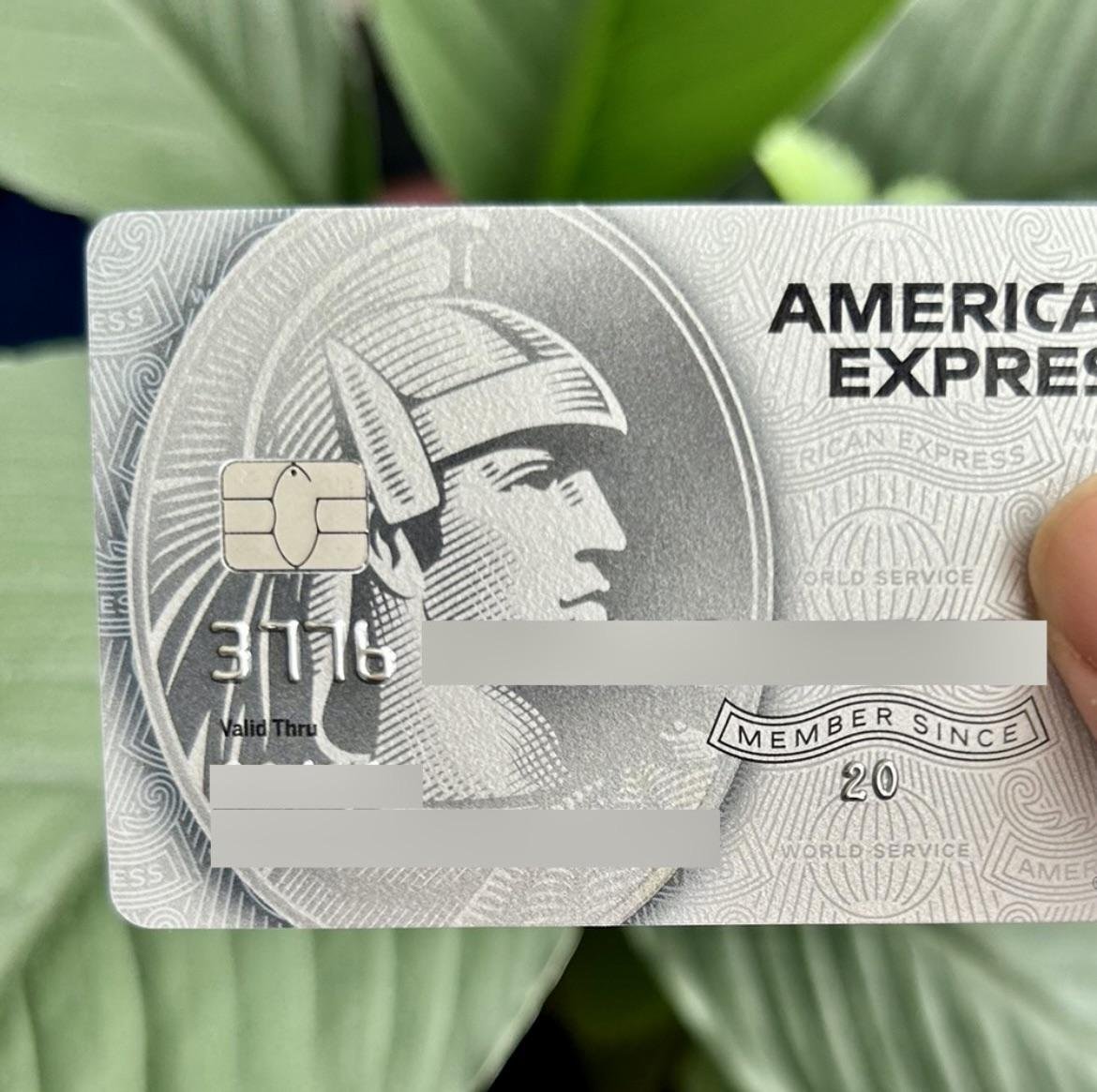
It's a gut punch when you're an Amex Platinum cardholder, expecting a certain level of protection, and then a dispute — especially one involving a significant purchase — doesn't go your way. The phrase "Reporting & Resolution for Amex Platinum Issues" often conjures images of seamless problem-solving, but what happens when that resolution process itself hits a brick wall? Imagine ordering a high-value item, returning it, getting confirmation of receipt, and then being told an empty box arrived. You file a chargeback with Amex, present your case, and they side with the merchant. Suddenly, you're out a substantial sum, with no product in hand. This isn't just about money; it's about trust, the value of your card, and feeling utterly abandoned.
When your initial dispute with American Express doesn't yield the outcome you expected, it can feel like you’ve run out of options. But that’s rarely the case. This guide is designed to empower you with the knowledge and strategies to navigate these frustrating situations, offering a clear path forward when your Amex Platinum dispute fails.
At a Glance: When Your Amex Dispute Fails
- Don't Panic, Re-evaluate: A failed dispute isn't the end. Understand why Amex sided with the merchant first.
- Gather More Evidence: Dig deeper for proof the original dispute might have missed (shipping weight, unboxing videos, third-party reports).
- Escalate Within Amex: Request a review, speak to supervisors, or consider reaching out to the Executive Office.
- Re-engage the Merchant: Sometimes, a formal, informed approach directly to the merchant can still work.
- Explore External Avenues: Consumer protection agencies, regulatory bodies, or even small claims court are viable options.
- Know Your Rights: Familiarize yourself with consumer protection laws relevant to your situation.
- Document Everything: Maintain meticulous records of all communications, evidence, and timelines.
- Consider Legal Counsel: For significant amounts, a lawyer can advise on the best course of action.
When Your Trust Is Shaken: The Amex Platinum Dispute That Didn't Go Your Way
You chose the Amex Platinum Card for a reason: premium benefits, exceptional service, and, yes, robust purchase protection. So, when you face a situation like returning a $1,500 watch to a reputable retailer, receiving confirmation of its delivery, and then being accused of sending back an empty box, only for Amex to side with the merchant, it shakes your confidence to the core. This isn't just an "issue"; it's a breakdown of the perceived safety net that comes with being a Platinum member.
The scenario isn't uncommon. While American Express is celebrated for its buyer-friendly chargeback process, disputes can still go sideways. The merchant might present compelling counter-evidence (like a picture of an empty box, as in our watch example), or the nuances of the situation fall outside standard dispute parameters. When this happens, the knee-jerk reaction is often to feel helpless, frustrated, and even consider canceling the card. But before you do anything drastic, let's unpack why these situations occur and, more importantly, what actions you can take.
Understanding the Amex Dispute Process (and Why It Sometimes Fails)
To effectively challenge a failed dispute, you first need a basic understanding how chargebacks work at Amex. When you initiate a dispute, Amex acts as a neutral arbiter, collecting evidence from both you (the cardholder) and the merchant.
Here's the simplified process:
- You file the dispute: You provide details, including why you believe you're entitled to a refund.
- Amex notifies the merchant: They present your claim and request the merchant's side of the story.
- Merchant responds: The merchant submits evidence to refute your claim (e.g., proof of delivery, signed terms, a picture of an empty box).
- Amex reviews evidence: They weigh both sides and make a decision.
Disputes often succeed when the evidence clearly points to a merchant error (e.g., wrong item shipped, item not received, duplicate charge). However, they can fail for several key reasons, especially in complex cases like our "empty box" scenario:
- Lack of Definitive Evidence: It's incredibly hard to prove a negative. How do you definitively prove you did put the watch in the box, especially if you didn't document the packing process? The merchant's picture of an empty box, while not proving you sent it empty, often shifts the burden of proof in their favor in a simple dispute review.
- Merchant Counter-Evidence: Even if flimsy, any evidence from the merchant can sometimes be enough to sway the decision if your own evidence is insufficient.
- Terms of Service: If the dispute somehow violates the merchant's return policy or Amex's dispute policies (though less likely in a theft scenario), it can be denied.
- Logistics Carrier Issues: When theft or loss occurs during shipping, the responsibility can become murky. Is it the sender's, the recipient's, or the carrier's? Amex's dispute process primarily focuses on the transaction between you and the merchant, not necessarily deeper logistical investigations.
The critical takeaway is that a failed dispute isn't necessarily Amex denying your experience. It's Amex denying your claim based on the evidence presented. The path forward involves finding more compelling evidence or exploring alternative resolution channels.
Beyond the Initial Denial: Your First Steps After a Closed Dispute
The initial sting of denial can be paralyzing. Take a deep breath. Your first move is to meticulously review American Express's official decision. What specific reason did they give for siding with the merchant? Did they cite insufficient evidence from your side, or compelling evidence from the merchant? Understanding this is paramount to crafting your next move.
Re-Evaluating Your Evidence & Strengthening Your Case
Think creatively about what might constitute "new" evidence.
- Shipping Weight Discrepancies: Did you keep a receipt or tracking information showing the original weight of the package when you sent it? A significant difference between the outbound weight and the merchant's reported inbound weight of an "empty" box could be powerful evidence.
- Unboxing/Packing Videos: While hindsight is 20/20, for future high-value returns, consider filming the packing process from start to finish. If you happened to do this for the watch, it would be invaluable.
- Carrier Investigation: Did you, the merchant, or even Amex initiate a formal investigation with the shipping carrier (FedEx, UPS, etc.)? Theft during transit is a serious issue, and carriers have their own investigation protocols. Demand a copy of any reports.
- Witness Testimony: Did anyone witness you packing the item? While not as strong as documentary evidence, an affidavit might help.
- Correspondence with the Merchant: Any emails or chat logs where the merchant acknowledged receiving a package, even if claiming it was empty, could be useful to show delivery.
Re-engaging American Express: Escalation Tactics
You’re a Platinum cardholder. This isn't just any credit card; it's a premium relationship. Leverage that.
- Call Amex Customer Service (Again): Don't just accept the initial denial. Call and politely, but firmly, ask to speak with a supervisor or a more senior dispute resolution specialist. Explain your long history with Amex and the significant impact of this denial. Refer specifically to your card benefits and the trust you place in Amex.
- Request a Formal Review: Many financial institutions have an internal appeals process for dispute decisions. Ask for this explicitly. Present any new evidence you've gathered. Frame your request around fairness and the principle that someone (either you or the merchant, or the carrier) is being wronged.
- Contact the Amex Executive Office: This is a powerful escalation. The Executive Office (sometimes called the Office of the President) handles high-level customer complaints that haven't been resolved through standard channels. You can usually find their contact information with a quick online search, or by asking a supervisor for the correct contact details. Clearly, concisely, and factually present your case, including your previous attempts at resolution and the financial and emotional toll. This approach often leads to a more thorough review by a dedicated team.
Direct Engagement with the Merchant: A Renewed Approach
Even if the merchant initially refused your refund and Amex sided with them, don't write them off entirely. Sometimes, a more formal, persistent approach can yield results, especially if they value their brand reputation.
The Power of Formal Communication
- Certified Letter with Return Receipt: Send a formal letter to the merchant's customer service and legal department. Outline the facts: purchase, return, confirmation of receipt, their claim of an empty box, Amex's denial, and your intention to pursue all available remedies.
- Threat of Public Review: While not a primary tactic, subtly mentioning your intent to share your experience on consumer review sites or social media (where appropriate) might sometimes prompt a re-evaluation, particularly for brands sensitive to public perception.
- Referencing Carrier Investigation: If a carrier investigation reveals theft or loss, present those findings directly to the merchant. They might be more amenable to a refund if the liability shifts away from you. Remember, retailers often have specific agreements with carriers for such events.
Leveraging Amex Platinum's Invisible Influence
While Amex officially maintains neutrality in disputes, the threat of a Platinum cardholder churning (canceling) their card and influencing others can sometimes be enough for a merchant to reconsider. When communicating with the merchant, politely mention your long-standing relationship with Amex and the fact that you expected a higher level of service and resolution given their association with such a reputable payment network. This isn't about Amex forcing them, but rather highlighting the potential reputational damage or loss of future business if a valued Amex customer remains unsatisfied.
Escalation Pathways: When Amex and the Merchant Won't Budge
When all internal avenues with both American Express and the merchant are exhausted, it's time to turn to external bodies. These entities can provide mediation, investigate practices, and sometimes even compel resolutions.
Regulatory Bodies & Consumer Protection Agencies
These organizations exist to protect consumers from unfair or deceptive business practices. Filing a complaint with them can trigger an independent review and put pressure on both Amex and the merchant.
- Consumer Financial Protection Bureau (CFPB): The CFPB is a U.S. government agency that protects consumers in the financial marketplace. They handle complaints about banks, credit card companies, and other financial services. Filing a complaint with the CFPB often gets a higher-level review from Amex, as they are required to respond to the CFPB.
- How to: Visit consumerfinance.gov and follow the instructions for filing a complaint. Be thorough and attach all relevant documentation.
- Better Business Bureau (BBB): The BBB is a non-profit organization that helps foster trust between consumers and businesses. While they don't have regulatory power, a BBB complaint can motivate businesses to resolve issues to protect their rating. You can file complaints against both the merchant and American Express.
- How to: Go to bbb.org, search for the business, and click "File a Complaint."
- State Attorney General's Office: Your state's Attorney General has a consumer protection division that investigates complaints about fraudulent or unfair business practices within the state. If the merchant is based in your state or you reside there, this can be a powerful avenue.
- How to: Search online for "[Your State] Attorney General Consumer Protection."
- Federal Trade Commission (FTC): The FTC protects consumers from deceptive and unfair business practices. While they typically don't resolve individual disputes, they can take action against companies that engage in patterns of misconduct. Reporting your issue helps them identify such patterns.
- How to: Visit ftc.gov and use their complaint assistant.
Filing with these agencies can prompt a different kind of review from both Amex and the merchant, as they face scrutiny from external bodies. It also contributes to a larger database of complaints, which can inform future policy changes or enforcement actions. You have your consumer protection rights, and these agencies are there to help enforce them.
Arbitration: A Contractual Avenue
Many credit card agreements, including Amex's, contain an arbitration clause. This means that instead of going to court, disputes are resolved through a private, non-judicial process.
- Understanding Arbitration: Arbitration can be binding (meaning you can't sue in court later) or non-binding. It's typically faster and less formal than court but still involves presenting your case to an impartial arbitrator.
- Pros and Cons: While it avoids court, you might give up certain legal rights. Review your cardholder agreement carefully regarding arbitration. Amex typically covers many of the arbitration fees, making it an accessible option.
- Initiating Arbitration: If you decide to pursue arbitration, you'll need to follow the specific procedures outlined in your Amex cardmember agreement, which usually involves sending a formal demand for arbitration to Amex.
Consider this method if the amount is substantial, and you're prepared for a more formal (though still less formal than court) process. It’s an alternative dispute resolution methods that can be effective.
Small Claims Court: A DIY Legal Option
For disputes involving amounts under a certain threshold (which varies by state, often between $3,000 and $10,000), small claims court can be a surprisingly effective and relatively low-cost option. You don't need a lawyer, though you can hire one if you wish.
- When It's Appropriate: If the watch was $1,500, this definitely falls within most small claims limits. You can sue either the merchant directly or, in some cases, Amex (though suing Amex is more complex due to arbitration clauses). It's generally easier to sue the merchant for non-delivery/non-refund.
- Preparing Your Case: This requires meticulous documentation. Gather every single piece of evidence: purchase receipts, shipping labels, tracking information, photos, emails, Amex dispute decision letters, copies of any formal letters sent to the merchant. You'll need to present a clear, chronological story to the judge.
- Filing the Claim: This involves filling out forms at your local courthouse, paying a small filing fee, and then formally "serving" (notifying) the defendant (the merchant).
- Court Appearance: You'll appear before a judge or magistrate, present your evidence, and answer questions. The merchant will also have an opportunity to present their side.
While it seems daunting, many resources exist to guide you through the small claims process. It offers a final, legally binding resolution and can be a powerful way to reclaim your funds. This is especially true if you are confident in your evidence.
Legal Avenues: When All Else Fails
For very high-value disputes or complex situations involving potential fraud or patterns of merchant misconduct, consulting an attorney is a wise move.
- Is It Worth It? Attorneys are expensive. Before proceeding, weigh the potential recovery against legal fees. For a $1,500 watch, it might not be cost-effective unless there's a clear cut case of merchant fraud or a systemic issue. However, an initial consultation can help you understand your legal standing and whether a demand letter from a lawyer might prompt a resolution.
- Types of Attorneys: Look for consumer protection attorneys or those specializing in contract law or civil litigation.
- Demand Letters: Sometimes, a formal demand letter on a law firm's letterhead is enough to get a resistant merchant (or even Amex) to take your claim more seriously and offer a settlement.
- Class Action Possibilities: While unlikely for an individual dispute, if you discover many others have faced identical issues with the same merchant, a class-action lawsuit might be a distant possibility. An attorney can advise if this is a viable path.
Navigating legal pathways like escalating disputes with merchants through formal court processes is a significant step, but it ensures your rights are fully explored.
Proactive Measures: Avoiding Future Dispute Headaches
While you're dealing with the current headache, consider steps to prevent similar issues down the road. An ounce of prevention is worth a pound of cure, especially with high-value items.
- Document Everything (Seriously):
- Unboxing/Packing Videos: For any high-value purchase or return, consider filming yourself unboxing the item or, critically, packing it for return. Show the item in the box, sealing the box, and affixing the label. This is your ultimate defense against "empty box" claims.
- Photographs: Take clear photos of the item's condition before packing, the packed box, and the shipping label.
- Weight Receipts: Always get a receipt that clearly shows the package weight when shipping.
- Use Tracked & Insured Shipping: For returns, especially high-value ones, always opt for a shipping method that includes tracking and adequate insurance. This provides a clear paper trail and financial protection if the item is lost or stolen in transit. Understand who is responsible for filing the claim if something goes wrong (you, the merchant, or the carrier).
- Understand Return Policies: Before purchasing, thoroughly read the merchant's return policy, especially for expensive items. Pay attention to clauses about lost or damaged returns, restocking fees, and the window for returns.
- Leverage Amex Purchase Protection: While this typically covers accidental damage or theft after delivery, it's a valuable benefit to be aware of for your purchases. It might not apply to an empty box return scenario but is a safety net for other incidents.
- Regularly Review Amex Account Activity: Keep a close eye on your statements for any unauthorized transactions or billing errors. The sooner you catch an issue, the easier it is to resolve.
- Be Aware of Card Glitches: While rare, technical issues can sometimes complicate matters. If you suspect your Amex card has encountered a system error, it's worth checking if it's related to a wider problem. You can find more information on specific issues, like an Amex Platinum card glitch explained, to understand if your situation is part of a known problem.
Common Misconceptions About Amex Disputes
When a dispute goes awry, many cardholders grapple with misinformation or misplaced expectations. Let's clear up a few:
- "Amex always sides with the cardholder." This is perhaps the biggest misconception. While Amex is known for its customer service, their dispute process is ultimately an arbitration based on evidence. If the merchant provides what Amex deems to be sufficient counter-evidence, your claim can be denied, as seen in the "empty box" scenario.
- "My Platinum status guarantees a win." Your Platinum status grants you access to premium customer service and potentially more attentive reviews, especially if you escalate to the Executive Office. However, it does not automatically override the dispute resolution process or guarantee a favorable outcome regardless of the evidence. It offers a better chance at a thorough review, not a guaranteed victory.
- "A chargeback is my final option." As this guide illustrates, a failed chargeback is often just the beginning of your resolution journey, not the end. There are multiple layers of appeals and external avenues to explore.
Beyond the Money: The Impact on Your Relationship with Amex
A failed dispute over a significant amount can sting far beyond the financial loss. It's a breach of trust, especially for a loyal Platinum cardholder. The Reddit user contemplating canceling their card highlights this emotional toll.
This isn't just about getting your money back; it's about evaluating the value proposition of your Amex Platinum. If the card's perceived protective benefits fail you when you need them most, it's natural to question whether the annual fee and loyalty are truly worth it.
- Weighing Benefits Against Trust: Objectively assess the benefits you actually use against the annual fee and your current sentiment towards Amex. Has this experience fundamentally altered your trust in their ability to protect you?
- Communicate Your Disappointment: Even if you decide to cancel, consider sharing your detailed feedback with Amex. Explain precisely why this particular dispute experience has eroded your confidence. Companies often use this feedback to refine their processes, especially from high-value clients.
Charting Your Course Forward: A Step-by-Step Action Plan
Don't let frustration lead to inaction. Here’s a clear path forward when your Amex Platinum dispute fails:
- Review the Denial Reason: Understand precisely why Amex ruled against you. This is your blueprint.
- Gather Additional Evidence: Scour your records for any new or stronger evidence (shipping weights, videos, carrier reports, photos).
- Escalate Within Amex:
- Call customer service, request a supervisor.
- Formally request an internal review of the decision.
- If still unresolved, contact the Amex Executive Office with a concise, well-documented account.
- Re-engage the Merchant: Send a formal, certified letter outlining your case and new evidence. Demand resolution.
- Explore External Avenues:
- File complaints with the CFPB, BBB, and your State Attorney General's Office.
- Consider arbitration if your card agreement allows and it seems appropriate.
- Evaluate Small Claims Court for smaller, clear-cut cases.
- Seek Legal Counsel (If Justified): For very large sums or complex issues, an initial consultation with a consumer protection attorney can clarify your legal standing.
- Document Everything: Keep a detailed log of all communications, dates, names, and evidence throughout this entire process.
Remember, persistence and meticulous documentation are your greatest allies. While a failed dispute is disheartening, it doesn't mean your battle is over. By systematically pursuing every available avenue, you significantly increase your chances of achieving a just resolution and holding both merchants and financial institutions accountable.